Sinai Fiction
Sinai Fiction
Creator Program
Creator Program
A new home for fiction entertainment
where creators bring more stories to life
A new home for fiction entertainment where creators bring more stories to life
A creator-driven immersive fiction experience
You create immersive audio and visual moments from fiction books. Adaptations that live inside the reading experience and pull readers deeper into the story.
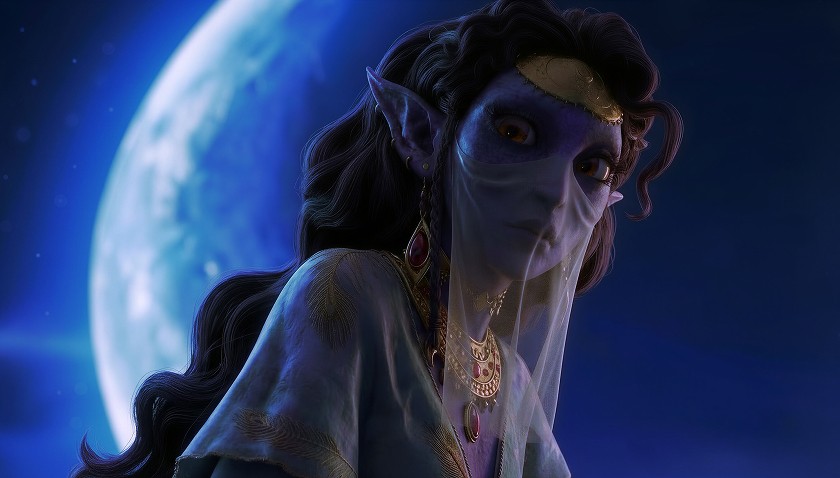

Democratizing the business of fiction entertainment
You earn a creator-first revenue share from the quality experiences you create. No matter where you exist in the world, for the first time, your creative income grows as your adaptations resonate with readers.
Creative guidance and support
Sinai’s creative team will offer creative and technical guidance, review, and support along the production process whenever needed. and as a member, you get access to our network of industry partners, creative community, and the guidance to make your best work shine.
Apply now,
Lead the era of storyliving!
Apply now,
Lead the era
of storyliving!
Apply now,
Lead the era of storyliving!
Apply to become a Sinai Fiction creator, making immersive storytelling content that expands readers’ fiction experience like never before. Turning storytelling into Storyliving.
FAQ
Have questions?
We've got answers.
Everything you need to know about our process, and how we deliver results.
Can't find your answer?
Get in touch with our support team, they are friendly!
What is “Storyliving”?
Storyliving is reading a book with immersive moments (video, audio, animation) that appear at selected points in the story, so the fiction experience feels more lived-in than just “additional content.”
What counts as “storytelling content”?
Creator-made adaptations or visualizations that support the book—like animated scenes, audio dramas, short film moments, character POV vignettes, or key-scene reenactments. They’re meant to deepen the story experience, not replace it.
Where does the content live inside the book?
It’s embedded at specific moments (for example, within chapters or at key scenes), so readers can watch/listen right when it matters—without leaving the reading experience.
What if multiple creators adapt the same book?
That’s allowed (and often encouraged). Different creators can bring different styles, formats, and “takes” on the same moment. Sinai curates what gets featured and can surface multiple adaptations so audiences can choose. Over time, performance signals (watch time, saves, completion, replays, likes, etc.) can help rank and recommend the best-fitting versions.
Do I choose the book?
Typically, yes—you can propose the book (or specific scene/moment) you want to adapt. Sinai may also offer a list of recommended public-domain titles or partner-cleared titles to help creators start faster and avoid rights issues. Final approval depends on fit, quality, and IP clearance.
How do I earn a revenue share from my content?
Your adaptation is monetized inside the reading experience. When readers watch/listen to your moments, your content can generate revenue (for example, via subscriptions, purchases, or other monetized engagement on the platform). You earn a creator-first revenue share tied to the performance and engagement your adaptation drives, per the Creator Program terms.
Does the content have to include AI?
No. AI is optional. Sinai supports a spectrum—from fully human-crafted work to hybrid workflows that use AI as an augmented tool. When used well, AI can also make creation more cost-efficient, helping great storytellers produce more (or iterate faster) and potentially deliver better ROI. What matters is quality, originality, and that you have the rights/permissions for what you submit.
Who decides what’s “high quality” and what gets featured?
Sinai’s creative team curates and reviews content for quality (especially early on). Over time, “featured” placement can be driven by a mix of editorial selection and audience performance.
If creators use AI, who owns the final work?
Creators own the original creative output they produce and submit (the “adaptation”) as long as they have the legal rights/permissions to use any underlying IP (characters, music, footage, likeness, etc.) and the adaptation does not infringe anyone else’s rights. Sinai does not claim authorship of creator work—Sinai’s role is to host, distribute, and monetize it under the Creator Program terms. The specific license creators grant Sinai (for example: non-exclusive vs. exclusive, territory, duration, allowed uses like marketing) is defined in the creator agreement.
How do rights work with famous public domain IP (Dracula, Sherlock, etc.)? What if a book isn’t public domain?
Public-domain works are the simplest. For private-domain books, creators must have permission/licensing from the rights holder (author/publisher/studio) or work with books that are explicitly cleared for adaptations on the platform.
What does “creator-first revenue share” mean in numbers?
It means creators receive a larger share of the revenue generated by their experiences than any typical platform. Exact percentages depend on the program terms and can vary, but the intent is: when your adaptation drives engagement, you’re automatically rewarded.
If I’m a creator, what do I submit? and what gets accepted?
Submit a reel, sample scene, concept/pitch, or a lightweight prototype. What gets accepted is work (or a plan) that shows strong storytelling, craft, and a clear fit for “inside-the-book” moments.
How is this different from YouTube/TikTok fan edits or audiobook dramatizations?
Distribution + monetization + placement. Sinai puts adaptations inside the reading experience at the exact story moment—then ties creator earnings to that built-in audience attention, instead of relying on external algorithms and scattered discovery.
FAQ
Have questions?
We've got answers.
Everything you need to know about the program, the platform and more.
Can't find your answer?
Get in touch with our support team, they are friendly!
What is “Storyliving”?
Storyliving is reading a book with immersive moments (video, audio, animation) that appear at selected points in the story, so the fiction experience feels more lived-in than just “additional content.”
What counts as “storytelling content”?
Creator-made adaptations or visualizations that support the book—like animated scenes, audio dramas, short film moments, character POV vignettes, or key-scene reenactments. They’re meant to deepen the story experience, not replace it.
Where does the content live inside the book?
It’s embedded at specific moments (for example, within chapters or at key scenes), so readers can watch/listen right when it matters—without leaving the reading experience.
What if multiple creators adapt the same book?
That’s allowed (and often encouraged). Different creators can bring different styles, formats, and “takes” on the same moment. Sinai curates what gets featured and can surface multiple adaptations so audiences can choose. Over time, performance signals (watch time, saves, completion, replays, likes, etc.) can help rank and recommend the best-fitting versions.
Do I choose the book?
Typically, yes—you can propose the book (or specific scene/moment) you want to adapt. Sinai may also offer a list of recommended public-domain titles or partner-cleared titles to help creators start faster and avoid rights issues. Final approval depends on fit, quality, and IP clearance.
How do I earn a revenue share from my content?
Your adaptation is monetized inside the reading experience. When readers watch/listen to your moments, your content can generate revenue (for example, via subscriptions, purchases, or other monetized engagement on the platform). You earn a creator-first revenue share tied to the performance and engagement your adaptation drives, per the Creator Program terms.
Does the content have to include AI?
No. AI is optional. Sinai supports a spectrum—from fully human-crafted work to hybrid workflows that use AI as an augmented tool. When used well, AI can also make creation more cost-efficient, helping great storytellers produce more (or iterate faster) and potentially deliver better ROI. What matters is quality, originality, and that you have the rights/permissions for what you submit.
Who decides what’s “high quality” and what gets featured?
Sinai’s creative team curates and reviews content for quality (especially early on). Over time, “featured” placement can be driven by a mix of editorial selection and audience performance.
If creators use AI, who owns the final work?
Creators own the original creative output they produce and submit (the “adaptation”) as long as they have the legal rights/permissions to use any underlying IP (characters, music, footage, likeness, etc.) and the adaptation does not infringe anyone else’s rights. Sinai does not claim authorship of creator work—Sinai’s role is to host, distribute, and monetize it under the Creator Program terms. The specific license creators grant Sinai (for example: non-exclusive vs. exclusive, territory, duration, allowed uses like marketing) is defined in the creator agreement.
How do rights work with famous public domain IP (Dracula, Sherlock, etc.)? What if a book isn’t public domain?
Public-domain works are the simplest. For private-domain books, creators must have permission/licensing from the rights holder (author/publisher/studio) or work with books that are explicitly cleared for adaptations on the platform.
What does “creator-first revenue share” mean in numbers?
It means creators receive a larger share of the revenue generated by their experiences than any typical platform. Exact percentages depend on the program terms and can vary, but the intent is: when your adaptation drives engagement, you’re automatically rewarded.
If I’m a creator, what do I submit? and what gets accepted?
Submit a reel, sample scene, concept/pitch, or a lightweight prototype. What gets accepted is work (or a plan) that shows strong storytelling, craft, and a clear fit for “inside-the-book” moments.
How is this different from YouTube/TikTok fan edits or audiobook dramatizations?
Distribution + monetization + placement. Sinai puts adaptations inside the reading experience at the exact story moment—then ties creator earnings to that built-in audience attention, instead of relying on external algorithms and scattered discovery.
What is “Storyliving”?
Storyliving is reading a book with immersive moments (video, audio, animation) that appear at selected points in the story, so the fiction experience feels more lived-in than just “additional content.”
What counts as “storytelling content”?
Creator-made adaptations or visualizations that support the book—like animated scenes, audio dramas, short film moments, character POV vignettes, or key-scene reenactments. They’re meant to deepen the story experience, not replace it.
Where does the content live inside the book?
It’s embedded at specific moments (for example, within chapters or at key scenes), so readers can watch/listen right when it matters—without leaving the reading experience.
What if multiple creators adapt the same book?
That’s allowed (and often encouraged). Different creators can bring different styles, formats, and “takes” on the same moment. Sinai curates what gets featured and can surface multiple adaptations so audiences can choose. Over time, performance signals (watch time, saves, completion, replays, likes, etc.) can help rank and recommend the best-fitting versions.
Do I choose the book?
Typically, yes—you can propose the book (or specific scene/moment) you want to adapt. Sinai may also offer a list of recommended public-domain titles or partner-cleared titles to help creators start faster and avoid rights issues. Final approval depends on fit, quality, and IP clearance.
How do I earn a revenue share from my content?
Your adaptation is monetized inside the reading experience. When readers watch/listen to your moments, your content can generate revenue (for example, via subscriptions, purchases, or other monetized engagement on the platform). You earn a creator-first revenue share tied to the performance and engagement your adaptation drives, per the Creator Program terms.
Does the content have to include AI?
No. AI is optional. Sinai supports a spectrum—from fully human-crafted work to hybrid workflows that use AI as an augmented tool. When used well, AI can also make creation more cost-efficient, helping great storytellers produce more (or iterate faster) and potentially deliver better ROI. What matters is quality, originality, and that you have the rights/permissions for what you submit.
Who decides what’s “high quality” and what gets featured?
Sinai’s creative team curates and reviews content for quality (especially early on). Over time, “featured” placement can be driven by a mix of editorial selection and audience performance.
If creators use AI, who owns the final work?
Creators own the original creative output they produce and submit (the “adaptation”) as long as they have the legal rights/permissions to use any underlying IP (characters, music, footage, likeness, etc.) and the adaptation does not infringe anyone else’s rights. Sinai does not claim authorship of creator work—Sinai’s role is to host, distribute, and monetize it under the Creator Program terms. The specific license creators grant Sinai (for example: non-exclusive vs. exclusive, territory, duration, allowed uses like marketing) is defined in the creator agreement.
How do rights work with famous public domain IP (Dracula, Sherlock, etc.)? What if a book isn’t public domain?
Public-domain works are the simplest. For private-domain books, creators must have permission/licensing from the rights holder (author/publisher/studio) or work with books that are explicitly cleared for adaptations on the platform.
What does “creator-first revenue share” mean in numbers?
It means creators receive a larger share of the revenue generated by their experiences than any typical platform. Exact percentages depend on the program terms and can vary, but the intent is: when your adaptation drives engagement, you’re automatically rewarded.
If I’m a creator, what do I submit? and what gets accepted?
Submit a reel, sample scene, concept/pitch, or a lightweight prototype. What gets accepted is work (or a plan) that shows strong storytelling, craft, and a clear fit for “inside-the-book” moments.
How is this different from YouTube/TikTok fan edits or audiobook dramatizations?
Distribution + monetization + placement. Sinai puts adaptations inside the reading experience at the exact story moment—then ties creator earnings to that built-in audience attention, instead of relying on external algorithms and scattered discovery.
A creator-driven immersive fiction experience
You create immersive audio and visual moments from fiction books. Adaptations that live inside the reading experience and pull readers deeper into the story.
Creative guidance and support
Sinai’s creative team will offer creative and technical guidance, review, and support along the production process whenever needed. and as a member, you get access to our network of industry partners, creative community, and the guidance to make your best work shine.
Democratizing the business of fiction entertainment
You earn a creator-first revenue share from the quality experiences you create. No matter where you exist in the world, for the first time, your creative income grows as your adaptations resonate with readers.
Delivering a personalized, engaging reading platform that listens, thinks, responds, and creates with you.
Company
Newsletter
Stay ahead with reading strategies that create more engaging experiences.
Newsletter
Stay ahead with reading strategies that create more engaging experiences.